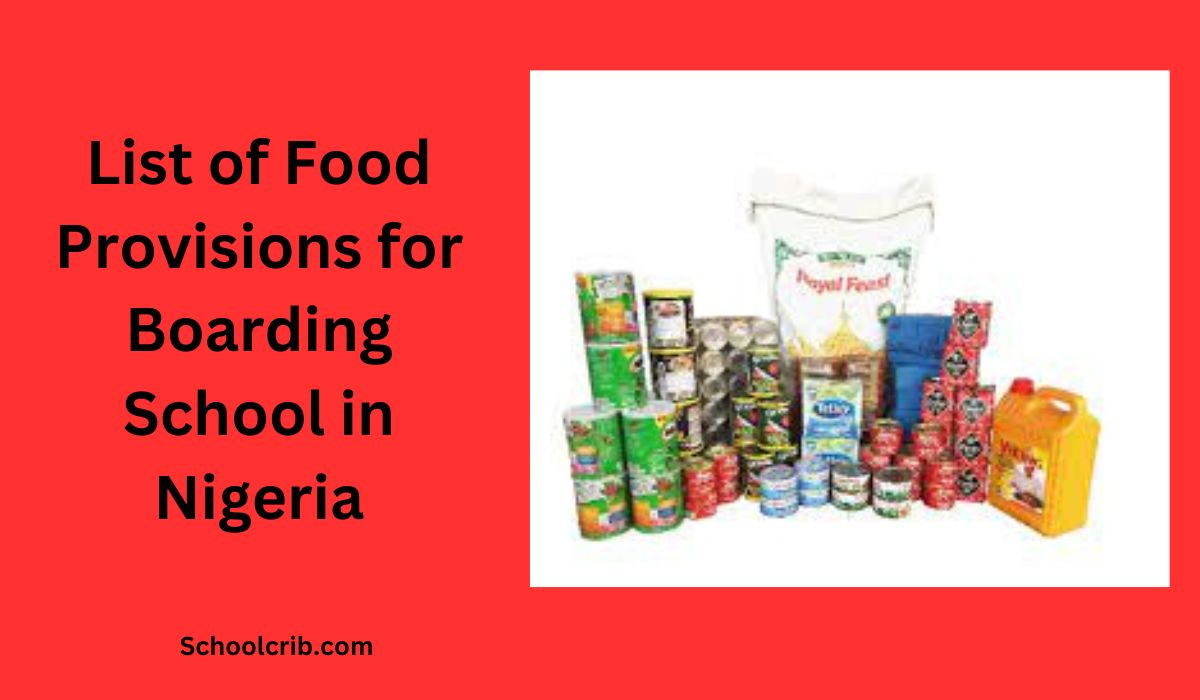
List of Food Provisions for Boarding School in Nigeria
Packing food for a boarding school child starts with one question: what does the school allow? Some schools restrict outside food, some provide most meals and only allow snacks, and some have storage rules that decide what is practical. Check the school’s policy before you pack anything, and tell the school clearly about any allergy or dietary need, rather than assuming staff will notice it from the food itself.
Within those rules, the useful split is between food that keeps and food that does not. Non-perishable snacks, canned goods, instant meals, grains, condiments and homemade treats that travel well are the safe core of the list. Fresh fruit, vegetables, yogurt and cheese only work if there is somewhere cool to store them and a plan to eat them quickly. Pack small, labelled and in portions a child can actually finish, and customise the list to the child’s tastes and health needs, because a box of food that is not eaten helps no one.
What Is a Boarding School?
A boarding school is a place where students not only attend classes but also live on campus.
It’s like school and home combined. Here’s what makes them unique:
- Living on Campus: Students stay in dorms or other on-campus housing during the school term.
- Focus on Academics: Boarding schools are known for their strong academic programs and smaller class sizes.
- Diverse Community: They often have students from all over, which creates a diverse and enriching environment.
- Rules and Structure: There are rules and schedules to instill discipline and responsibility.
- Character Building: Many emphasize values like respect and leadership alongside academics.
- Lots to Do: Extracurricular activities, like sports, arts, and clubs, are a big part of life there.
- College Prep: They’re known for getting students ready for college with specialized counseling.
Remember, boarding schools can be for elementary, middle, or high school students.
Some are co-ed, and some are just for boys or girls.
The decision to send a child to one often depends on the family’s educational goals and financial situation.
Recommended: 20 Things to Take to University Hostel in Nigeria
List of Food Provisions for Boarding School in Nigeria
As a parent whose child is in a boarding school, you have to ensure that your child eats good food only.
Here’s the list of food provisions for boarding school in Nigeria
1. Non-Perishable Snacks

When you’re packing snacks for your child, think about items that won’t go bad quickly.
Granola bars, trail mixes, and nuts are fantastic choices.
Dried fruits, like raisins or apricots, can satisfy their sweet tooth without worrying about spoilage.
And don’t forget simple options like crackers or popcorn for those snacky moments.
2. Canned Goods

They are a convenient way to provide some variety.
Canned fruits (make sure they’re in water or juice, not syrup) and vegetables can add some nutrition to their meals.
You can also consider canned tuna or salmon for a protein boost or some low-sodium canned soup for those chilly evenings.
3. Instant Meals

They can be a lifesaver. Instant oatmeal packets are perfect for quick and easy breakfasts.
Instant noodles or pasta can make a satisfying meal in a pinch.
And those instant soup cups are handy for when they want something warm and comforting.
Also See: List of Food Provisions to Take to University in Nigeria
4. Healthy Snacks
Fresh fruits like apples, oranges, and bananas are essential for a balanced diet.
It’s also a good idea to send along some fresh veggies like carrot sticks or cucumber slices.
For a dairy fix, consider yogurt cups or tubes, and don’t forget cheese sticks or slices for some extra calcium.
5. Beverages
Hydration is key. Send bottled water or a reusable water bottle to ensure they stay hydrated.
100% fruit juice without added sugar is a healthier choice than sugary drinks.
You might also want to include some herbal tea bags for a cozy touch and low-fat or non-fat milk if it’s allowed.
6. Grains and Bread
They are a great source of energy. So, toss in some whole-grain bread or rolls for sandwiches or snacks.
Whole-grain crackers or rice cakes can also be versatile additions to their diet.
And a box of whole-grain cereal can make for a quick and nutritious breakfast.
Also Read: What Should I Take to University As a Fresher in Nigeria?
7. Proteins
It is essential for growth. Peanut butter or almond butter (unless allergies are a concern) can be spread on sandwiches or paired with fruits and veggies.
Beef jerky or turkey jerky is a handy, protein-packed snack.
And if your child is vegetarian, consider tofu as a protein source.
8. Condiments and Spices
Don’t forget the little things that make meals tastier.
Ketchup, mustard, and mayonnaise in small, squeeze bottles can come in handy.
Salt and pepper shakers can help them season their food to taste.
And if they like some heat, a bottle of low-sodium soy sauce or hot sauce might be appreciated.
Recommended: Top 12 Cheapest Schools of Nursing in Nigeria
9. Homemade Treats
Sometimes, a little taste of home can make all the difference.
Bake some cookies or muffins with whole grains and less sugar.
Homemade energy bars with their favorite ingredients can provide a nutritious boost.
And don’t forget about homemade dried fruit and nut mixes for a healthy and satisfying snack.
10. Special Dietary Needs
If your child has any specific dietary needs or allergies, make sure to cater to those.
It’s crucial to communicate these requirements clearly with the school and provide foods that align with their dietary restrictions.
Remember, this list is just a starting point.
Every child has their own tastes and dietary needs, so customize your food provisions accordingly.
And be sure to check with the boarding school about their policies on outside food to ensure a smooth transition for your child.
Also See: 10 Best Courses to Study in Colleges of Health Technology in Nigeria
Tips to Navigate Life in Boarding School in Nigeria
Boarding school can be a world of its own. To navigate life in boarding school, here are some helpful tips:
1. Get to Know Your Peers
Starting at a boarding school can feel like a big adventure, and the people you meet will be a significant part of that.
So, take some time to get to know your roommates and peers.
Be open, be friendly, and remember, they’re probably feeling a bit nervous too.
2. School Rules and Regulations
Boarding schools often have a lot of rules, from curfews to dress codes.
It’s crucial to understand and follow them.
This way, you’ll avoid getting into trouble and keep a good reputation among your teachers and peers.
3. Time Management
Balancing everything at boarding school can be a juggling act.
To help, work on your time management skills.
This means figuring out how to balance schoolwork, extracurricular activities, and personal time.
A routine can be a lifesaver.
Also Read: 20 Best Colleges of Health Technology in Nigeria
4. Establish a Daily Routine
Speaking of routines, setting up a daily schedule can be a game-changer.
Include time for studying, attending classes, meals, exercise, and relaxation.
Consistency can help you feel less stressed and more organized.
5. Stay Organized
Keeping everything organized is a big deal.
Use planners or digital tools to track assignments, projects, and important dates.
It’ll help you avoid last-minute cramming and missed deadlines.
6. Academic Excellence
Your studies should be a priority.
Focus on your academics, use the resources available to you like libraries and tutors, and don’t be shy about asking questions in class.
Strive for excellence.
Recommended: Top 15 Best Medical Courses to Study in Nigeria
7. Extracurricular Activities
Don’t just stick to the classroom.
Boarding schools have a ton of extracurricular activities, from sports to clubs.
Find something that interests you, join in, and make new friends while having fun.
8. Stay Connected with Family and Friends
Remember, even though you’re away, your family and friends are still there for you.
Keep in touch through phone calls, emails, or even old-fashioned letters.
It’ll help you feel connected and supported.
9. Self-care and Well-Being
Take care of yourself physically and emotionally. Eat well, get enough sleep, and exercise regularly.
And if you’re going through tough times, don’t hesitate to seek help from counselors or staff members.
Also See: 15 Most Useless Courses to Study in Nigeria
10. Respect Cultural Diversity
Boarding schools often have students from different cultures.
Embrace diversity, learn about other cultures, and be open-minded.
It’s an opportunity to expand your horizons.
11. Financial Responsibility
If you’re managing your own finances, be smart about it.
Budget your allowance wisely, save for future needs, and avoid impulse spending.
12. Conflict Resolution
They can pop up in any environment.
Learn how to handle them constructively, communicate openly, and seek help from staff or counselors when necessary.
Also Read: Top 15 Easiest Courses to Study in Nigeria
13. Personal Hygiene and Cleanliness
A little personal hygiene goes a long way.
Keep yourself clean and tidy, not just for your sake but also for your roommates’.
14. Respect Staff and Authority
Teachers, staff, and authority figures deserve respect.
Being polite and respectful will help you build positive relationships and create a better learning atmosphere.
15. Plan for Weekends and Holidays
Don’t forget about your downtime.
Plan what you’ll do on weekends and holidays to keep boredom at bay.
Whether it’s exploring local attractions or just chilling out, it’s your time to relax.
Remember, adjusting to boarding school can take a bit of time, and that’s perfectly okay.
Be patient, stay positive, and make the most of the incredible learning and personal growth opportunities that come your way.
Recommended: Top 15 Hardest Courses to Study in Nigeria
Frequently Asked Questions (FAQ)
What Should I Pack for Boarding School?
Pack clothes for the seasons, toiletries, bedding, academic items such as books and pens, and any uniform or sports gear the school requires. Add personal items that make the space feel like home, such as photos, plus important documents, medical records and emergency contacts. Pack light, because dorm space is limited, and check the school’s rules on food, electronics and valuables before you add anything extra.
What Age Is the Best to Start Boarding School?
There is no single right age. Children often start around 11 to 14, during middle or early secondary school, when they can build independence in a structured setting. Some children do well younger, and others benefit from starting later. It depends on the child’s maturity, comfort with being away from home, and educational goals, so talk with the child and the school before deciding on timing.
What Are the Qualities of a Good Boarding School?
A good boarding school is safe and caring, with passionate teachers, a wide range of subjects, and sports, arts and clubs for different interests. Communication between school, parents and students should be clear and regular. It should be flexible enough to meet individual needs, including learning differences and emotional support, and it should teach responsibility and respect alongside academics. Visit if you can, and judge it by daily life there, not by its brochure alone.
Is Boarding School Better Than Day?
It depends on the child and the family. Boarding school offers an immersive experience, with independence, tight-knit communities, more extracurricular activities and closer supervision. Day school keeps a child close to home, with a regular family routine and daily contact. There is no universal winner: weigh the child’s age, personality, family situation and educational goals, and choose the setting that fits them best.
What Are the Advantages of Attending a Boarding School?
Boarding school offers a focused learning environment, smaller classes, and teachers who know students well. Living on campus teaches independence, responsibility and time management, and a diverse community broadens horizons. Facilities are usually strong, and friendships formed there often last. Those advantages only hold if the school is well run and the child is ready for it, so readiness and school quality matter more than the label.
Conclusion
Before sending your child to a boarding school, you have to make proper provision for their feeding.
The truth is that it is not always easy to stay away from home even as an adult, how much more for a kid.
So you have to ensure that while your child is in a boarding school, he/she is feeding well and getting the required nutrition to perform well academically.
In this article, I’ve shown you the list of food provisions for boarding school in Nigeria.
Kindly work together with the school management to ensure that the necessary food nutrients are incorporated into your child’s diet.
If you have any questions or inquiries, kindly drop them in the comments section and I will respond right away.
Good luck!